
From Forklift to Camper: How to Prevent Back Pain on the Road
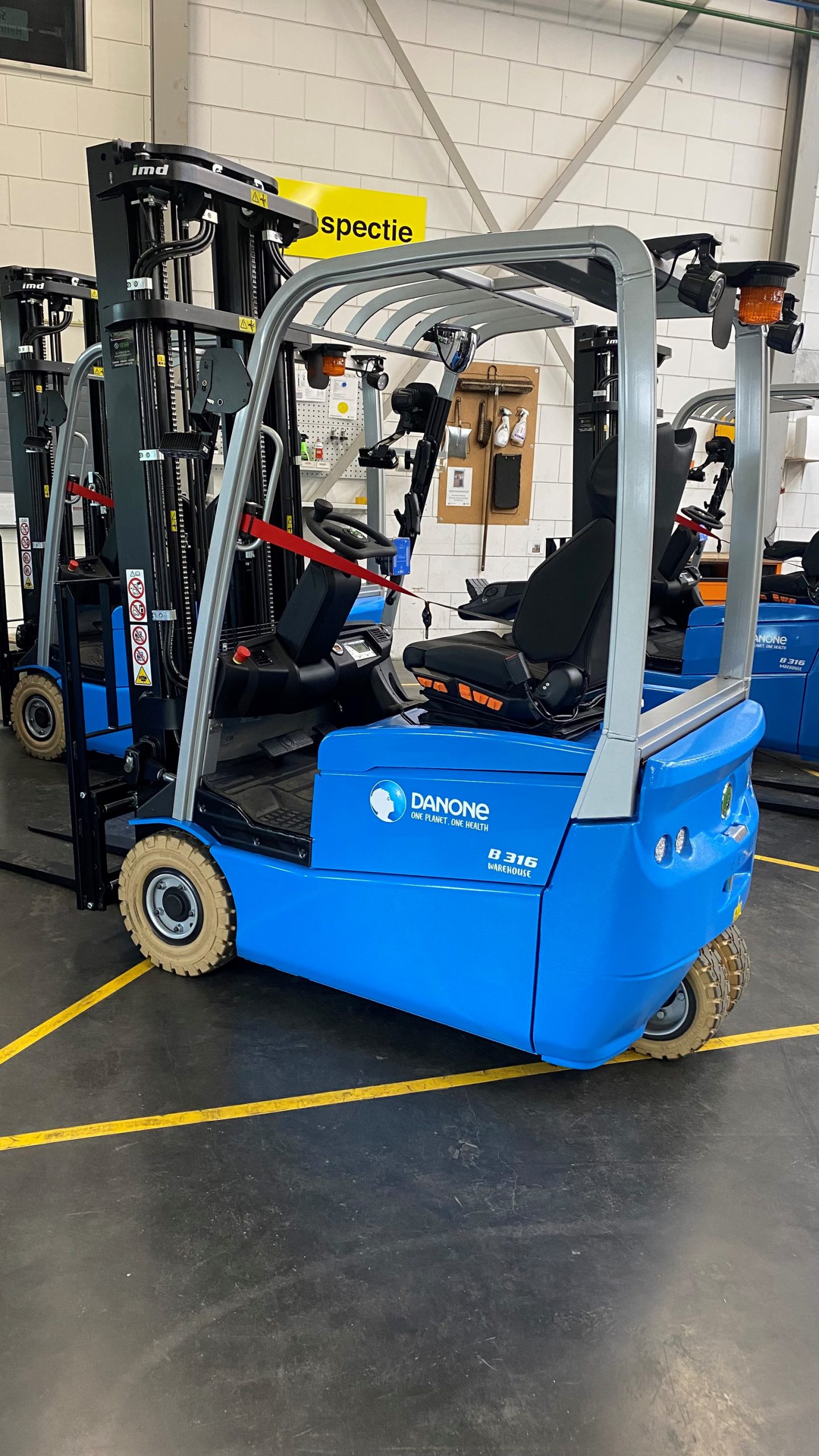
Whether you spend the whole day moving goods in a forklift cabin, cover long distances as a truck driver, or experience the freedom of the road as a camper enthusiast, these situations have one thing in common: prolonged and often static sitting.
Without proper support, this can lead to bothersome back and shoulder complaints that significantly spoil your work enjoyment or vacation fun.
An ergonomic driver's seat is therefore not a luxury, but a necessity. It is the first and most important step in the fight against physical discomfort on the road. Brands like Trône Seating take this to a higher level. Their seats adjust electrically to the user's body and work rhythm, creating a seat that is truly custom-made. But what exactly makes such a seat so important, and how do you ensure you are sitting correctly, regardless of the vehicle you drive?
In this blog, we dive into the world of ergonomic sitting. We discuss why your current seat might be the cause of your complaints and how you can get back on the road pain-free with the right adjustments (and possibly a custom seat).
Why Do You Get Back Pain from Sitting in a Vehicle?
Sitting in a vehicle for a long time, especially in equipment like forklifts or in public transport, brings specific risks. It is not just the "standing still" in the same posture, but also a phenomenon called 'Whole-Body Vibration' (WBV).
What are the consequences of constant vibrations?
When you are in a vehicle, especially on rough terrain or during long journeys, your body is constantly exposed to vibrations. These are often subtle, but long-term exposure to them is harmful. In science, it is called WBV.
-
Increased risk of back pain: The vibrations act on your intervertebral discs, which can lead to degeneration and chronic pain.
-
Fatigue: Constant vibrations and a wrong posture force your muscles to work harder to keep your body stable. This leads to faster fatigue.
-
Reduced concentration: Pain and fatigue are distracting, making you less alert and increasing the risk of accidents.
Practical example: Think of a forklift driver who drives over uneven factory floors all day, or a crane operator in a wobbling cabin. The invisible but constant shocks are a "silent killer" for the back.
Why is a standard seat often not enough?
Standard seats in vehicles are designed for the "average" person and a limited number of trips. They rarely offer the individual support needed, and the adjustment options are often limited. An incorrectly adjusted or insufficiently supportive seat easily leads to a posture that strains your spine instead of supporting it.
How to Optimally Adjust Your Current Driver's Seat?
Before considering replacing your seat, you can already gain a lot by correctly adjusting the current seat. A correct adjustment follows a number of basic principles.
| Adjustment Point | What is the Goal? | How to Adjust It? |
| Seat Height | Knees should be at a slight angle, hips at the same or slightly higher level than the knees. | Set the height so you have a clear view, your thighs are horizontal, and your feet can still reach the pedals properly. |
| Seat Depth | Pressure should be well distributed over the thighs. The back of the knee must not be pinched. | Keep about 2 to 3 fingers of space between the edge of the seat and your knee hollow. |
| Backrest | Maintaining the natural S-shape of the spine. | Set the backrest to an angle of about 95 to 115 degrees (slightly reclined). Your back should maintain as much contact as possible with the backrest. |
| Lumbar Support | Support for the lower back (lumbar spine). | You should just feel the support at the desired spot in your lower back, so your pelvis does not tilt backward. |
| Armrests | Relief of the shoulders and neck. | Set the height so your forearms can rest loosely, with a relaxed angle in the elbows (about 90 degrees). |
Active tips for a healthy ride:
-
Move regularly: Try to stop, get out, and stretch your legs at least once every two hours. A short 5-minute walk does wonders for blood circulation and muscles.
-
Vary your posture: Do not remain stiff in one position. Shift around in your seat occasionally. The best sitting position is always the next position.
-
Lifting technique: If you have to move cargo (like with a forklift or in your camper), lift with a straight back and use your legs. Keep the load close to your body.
The Role of the Custom Ergonomic Driver's Seat (and the Trône Solution)
For those who spend all day in a seat or suffer from persistent complaints, a seat that adapts to the user is the best step. A truly ergonomic driver's seat goes further than the basic settings of a standard seat.
What makes a driver's seat 'ergonomically custom'?
A custom seat is designed to support your body in its natural, relaxed position. The benefits of such an investment are significant:
-
Pain-free working/driving: Through optimal support of the spine and reduction of pressure points.
-
Improved blood circulation: Correct seat depth and angle prevent pinching in the legs.
-
Higher productivity and alertness: Less pain and fatigue ensure better focus.
How does the electrically adjustable seat technology work?
Manufacturers like Trône Seating integrate advanced technologies into their seats, focusing on customization and compensating for the disadvantages of long-term sitting.
-
Fully Electric Adjustment: Unique to these seats is that all crucial parts (seat cushion, backrest, tilt adjustment, lumbar support) are often fully electrically adjustable. This ensures extremely precise and easy adjustment.
-
Memory Function (Memory Module): This is crucial, especially for vehicles used by multiple people (shift work on a forklift, or when multiple family members drive the camper). The seat remembers the perfect, individual settings of different users. One push of a button and the seat is exactly right again, matching the user's height, weight, and preference. This prevents every new user from setting the seat "approximately" right manually.
-
APS & DDS Systems (Advanced Positioning and Damping): Some seats are equipped with automatic positioning systems (APS) and dynamic damping systems (DDS). These systems help actively counteract WBV vibrations by compensating for the movements of the vehicle. This significantly reduces the strain on the back.
Are you a camper enthusiast and do you often switch drivers? Or do you work with colleagues on the same equipment? The memory function of an electrically adjustable seat puts an end to discussions about who set the seat wrong again.
Is Such an Ergonomic Seat Also Necessary in My Camper or Van?
Absolutely! The need for ergonomics is not limited to the industry. Especially during long holiday drives in a camper or during deliveries in a van, comfort and preventing back pain are essential.
Why is the ergonomics of a camper seat important?
-
Long uninterrupted drives: During holidays, the temptation is high to drive long stretches at a time. Without good support, back pain quickly becomes a reality.
-
Different drivers: Just like in the workplace, partners often switch seats. The memory function is a godsend, allowing you to start your part of the journey with the correct settings immediately.
-
Relaxation as a goal: A camper trip is intended as a relaxed start to your holiday. Back pain ruins the mood before you even reach your destination.
What can you do to optimize your camper or van?
-
Check the adjustments: Even if you don't have an electric seat, you can meticulously check the five adjustment points (see the table above).
-
Consider a lumbar support cushion: If you don't have integrated lumbar support yet, a special lumbar cushion can provide significant relief for minor complaints.
-
Look at the seat: Does the seat have enough side bolsters to keep you stable in turns? This prevents you from sitting crooked unnecessarily.
The First Step to a Pain-Free Ride: Your Action Plan
Back complaints are one of the most common causes of disability and can seriously hinder your free time. Whether you are on the forklift or on the way to your holiday destination, the seat is the foundation of your health.
| Goal | Action | Timeframe |
| Immediate Improvement | Go through the checklist for the correct adjustment of your current seat (height, depth, backrest). | Today! |
| Prevention of Complaints | Plan a short, active break every 90-120 minutes to stretch and move. | From the next trip. |
| Final Solution | Inquire with a specialist like Trône Seating about the options for an electrically adjustable seat with memory function for your specific vehicle. | Make an appointment for advice within a month. |
By investing in a custom ergonomic driver's seat, you are investing in your own long-term health, safety, and well-being. The time when you "just" had to endure the pain is definitely behind us.
100% knowing you're
sitting healthy and safely?
Order the demo bus and and experience a TRÔNE on location!
Order demo bus
 24/7 Office seats
 Trucks
 Vans and motor homes
 Forklifts
 Mini excavators
 Earthmovers
 Crane machines
 Electric transportation
 Public transport
 Offshore and shipping